4 Reasons You Should You See an Optometrist
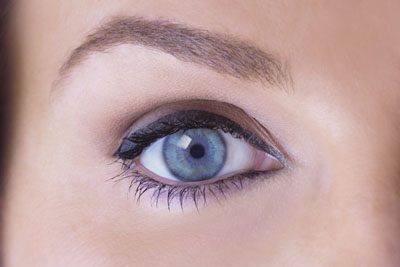
An optometrist is a type of eye doctor who examines the eyes for certain defects or abnormalities. These doctors are different than ophthalmologists, though both types of doctors often work together to help monitor and treat a patient’s eyes.
Why you should visit an optometrist
Whether a patient has had an eye exam in the past or has never made a visit, there are several signs that it is time to make an appointment. Continue reading to learn four reasons to see an eye doctor right away.
1. It has been more than two years since an eye exam
While most people know to schedule regular appointments with a general doctor or dentist, not everyone is aware that people are supposed to periodically see an eye doctor. It is generally recommended for healthy adults between the ages of 18 and 60 to visit every two years, and an adult over 61 should have their eyes checked at least once a year. Attending regular exams is important because it allows the doctor to detect any problems with the eyes early on. Even if an individual has always had good vision, certain external factors and aging can cause gradual deterioration.
2. The presence of certain risk factors
There are certain risk factors that require an individual to see an eye doctor more frequently. Some of these factors are present at birth while other develop later in life. They can potentially put an individual at risk for a variety of eye issues, so keep these factors in mind:
- Infection of mother during pregnancy
- Premature birth or low birth weight
- Any developmental delays
- History of eye disease, diabetes or high blood pressure
- Crossed eyes
- Certain illnesses or diseases
3. The patient may have a need for glasses or contacts
Optometrists can prescribe eyeglasses and contact lenses for patients with blurry vision, nearsightedness, farsightedness and other conditions. If an individual thinks glasses could be needed, an eye exam can determine if the patients has any vision problems. Once the test is completed, the eye doctor can provide the patient with the correct type of glasses or contact lenses needed. The doctor writes a prescription that the patient can take to an optician to purchase eyewear.
4. The patient is experiencing eye-related symptoms
If a patient is experiencing certain eye-related symptoms, a visit with an eye doctor should be made right away. Sometimes frequent headaches or eye fatigue can be due to eye deterioration or other eye conditions such as glaucoma. It is also abnormal for an individual to have difficulty seeing at all at night or to see halos around bright lights. Additionally, patients with diabetes experiencing eye problems should make a visit right away.
Conclusion
When dealing with blurry vision or eye disease, it is important to make a visit with an optometrist right away. Whether someone needs glasses or another type of treatment, a trained eye doctor can do an exam and send the patient to an ophthalmologist if needed.
Are you considering an optometrist in the Dallas area? Get more information at https://www.texasoptical.net.
Check out what others are saying about our services on Yelp: Read our Yelp reviews.
Recent Posts
Optometrist examinations include a careful evaluation of the back of the eye, as this area provides valuable information about vision, eye health, and overall wellness. While many people expect an eye exam to focus only on vision correction, a comprehensive evaluation often extends far beyond determining a prescription for glasses or contact lenses. Examining the…
Emergency eye care helps protect vision when sudden symptoms, injuries, or infections require prompt evaluation from an eye care professional. Some eye problems may seem minor at first, but changes in vision, pain, swelling, or trauma can indicate conditions that require same-day attention. Knowing when to seek urgent help can help you receive the immediate…
Have you noticed spots, threads, or cobweb-like shapes in your field of vision? A proactive approach to vision care right now is the most effective way to safeguard your long-term eye health and peace of mind. Floaters can be very irritating, but simple lifestyle choices and regular checkups make a massive difference. Here is what…
Glaucoma treatment can help protect vision, especially when started early. Glaucoma is a group of eye conditions that can damage the optic nerve, which carries visual information from the eye to the brain. Early glaucoma often develops without obvious symptoms; therefore, partnering with an optometrist through regular screenings can help detect changes before vision loss…