4 Important Reasons To Visit an Optometrist

They say the eyes are the windows to the soul, and a good optometrist can help keep seeing through those windows clearer. Maintaining eye health and good vision is an important part of a person’s overall health and well-being. Regularly scheduled checkups can catch problems early on, allowing treatments to have the best chance of being successful.
4 reasons to visit an optometrist
Eye health is not something to take for granted, and it will not take care of itself. A person cannot diagnose eye problems without the aid of an optometrist. Consider the following reasons why visiting an optometrist is so important.
1. Hormonal changes
Hormones can affect appetite, sleep and mood, as well as other aspects of overall health. When hormonal changes take place in the body, it can even affect changes in the eyes. Puberty, pregnancy and menopause are a few of the major times that vision may fluctuate due to changes in hormone levels. Visiting an eye doctor can help diagnose and treat such issues.
2. Pain in the back of the eye
Glaucoma is a major cause of blindness. It is characterized by pain in the back of the eye caused by elevated pressure from the liquid inside the eyeball. When the pain is accompanied by patchy vision, it can be a red flag that treatment is needed. Severe headache and tunnel vision are generally present in advanced cases.
3. Outdated prescription
Just because a person wears glasses or contacts that does not mean they will have optimal vision. Many people assume a once-and-done approach to vision correction. In truth, eyes may continue to change even while wearing a prescription lens. Vision can gradually change, astigmatism may develop or other problems that are imperceptible on a day-to-day basis may occur. An eye doctor can provide an updated prescription to keep sight at its best.
4. Blurry vision
Sudden or recurring blurred vision can be a sign of several underlying health issues, including diabetes and side affects from certain medications. Blurriness that develops over time can indicate either shortsightedness, farsightedness or astigmatism. Conjunctivitis, otherwise knows as pink eye, can also cause blurred vision, as can improperly fitted contacts or lenses that have not been sanitized. Those who wear eyeliner or mascara may need to toss them and buy new products, as old cosmetics can cause an infection, which blurs vision. A doctor can check and monitor these changes, find the cause and can help find a solution for them.
What to expect during an exam
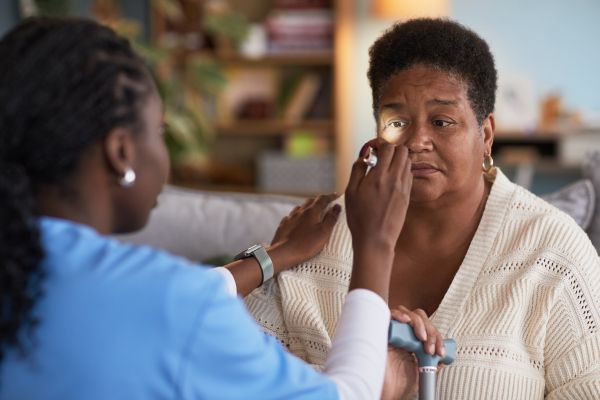
During an eye exam, the doctor will likely look in the back of the eye to see the retina, check the pressure of the eye fluid and have the patient look through a variety of lenses to check vision without glasses. The doctor will check tracking and ask a number of health questions to help determine the cause of any vision issues and develop a possible treatment plan.
Conclusion
The best eye health and quality of vision can be maintained by regular visits to a qualified optometrist. Take care of your vision and it will take care of you.
Request an appointment here: https://www.texasoptical.net or call Texas Optical at (214) 771-7333 for an appointment in our Dallas office.
Check out what others are saying about our services on Yelp: Read our Yelp reviews.
Recent Posts
Optometrist examinations include a careful evaluation of the back of the eye, as this area provides valuable information about vision, eye health, and overall wellness. While many people expect an eye exam to focus only on vision correction, a comprehensive evaluation often extends far beyond determining a prescription for glasses or contact lenses. Examining the…
Emergency eye care helps protect vision when sudden symptoms, injuries, or infections require prompt evaluation from an eye care professional. Some eye problems may seem minor at first, but changes in vision, pain, swelling, or trauma can indicate conditions that require same-day attention. Knowing when to seek urgent help can help you receive the immediate…
Have you noticed spots, threads, or cobweb-like shapes in your field of vision? A proactive approach to vision care right now is the most effective way to safeguard your long-term eye health and peace of mind. Floaters can be very irritating, but simple lifestyle choices and regular checkups make a massive difference. Here is what…
Glaucoma treatment can help protect vision, especially when started early. Glaucoma is a group of eye conditions that can damage the optic nerve, which carries visual information from the eye to the brain. Early glaucoma often develops without obvious symptoms; therefore, partnering with an optometrist through regular screenings can help detect changes before vision loss…