What Is the Difference Between Designer Glasses and Prescription Glasses?
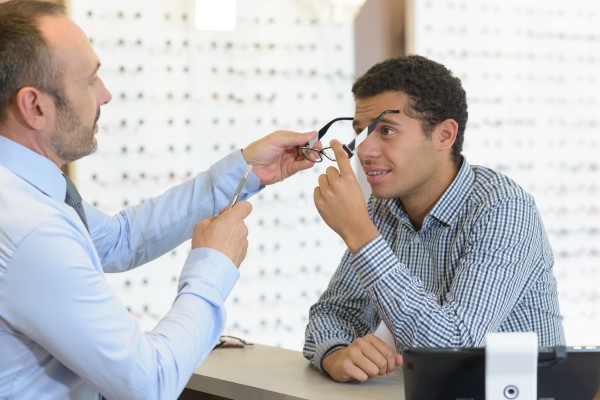
Designer glasses are made to a higher standard than regular prescription glasses. They are typically made with more quality materials, and they give you more options as far as lenses are concerned. Designer eyewear often comes with a warranty, so you are covered if your glasses end up being defective.
Deciding between designer glasses and prescription glasses
Designer glasses offer more than just a trendy look. They are designed to fit your face like a glove, so you do not have to worry about your glasses rubbing against your face or falling off. Some of the key differences between designer and prescription eyewear include:
1. More lens options
Designer glasses can be whatever you need them to be. They can serve as a fashion statement with non-prescription lenses fitted to them. They can serve as sunglasses, and they can also be used with prescription lenses.
Designer glasses typically give you more options when it comes to the types of lenses available. Patients can get anti-glare lenses or lenses that do not crack, shatter, or break.
2. Improved frame
Designer lenses come with a sturdier frame than regular eyewear. It typically takes high-quality materials to create the expensive look many designer products have, translating into a stronger, more durable frame for the patient.
Some designer glasses even come with unbreakable frames designed to bend and twist but never break. Some of these products are so well made, they come with lifetime warranties.
3. Improved comfort and fit
Compare a designer suit to one pulled off the rack of a chain store, and it is impossible to miss the differences in how they fit. The same applies to designer frames. Their makers go the extra mile when designing these glasses so they do not have any of the issues that can be common with regular prescription glasses, like the eyewear irritating the bridge of your nose or regularly falling off when worn.
With designer frames, patients get eyewear that allows them to move freely without having to deal with their glasses becoming a distraction.
Getting designer eyewear
The first step anyone interested in designer eyewear should take is getting their eyes examined. Some of the tests an optometrist might administer during an eye examination include:
- Eye muscle test: This is performed to evaluate the alignment of a patient’s eyes. The optometrist watches the patient’s eye movements as they track a target in different directions
- Pupil reaction test: This involves shining a light into the patient’s eyes and evaluating how their pupils react
- Visual acuity test: This involves the patient reading letters on an eye chart, with the letters getting smaller as the patient progresses through the chart
- Retinal examination: This involves dilating the patient’s eye and using an ophthalmoscope to examine the back of the eyes that contains the retina and retinal blood vessels
Explore designer eyewear
Need a pair of glasses? Give us a call or visit our Dallas clinic to set up a consultation with our optometrist.
Get more information here: https://www.texasoptical.net or call Texas Optical at (214) 771-7333
Check out what others are saying about our services on Yelp: Read our Yelp reviews.
Recent Posts
Optometrist examinations include a careful evaluation of the back of the eye, as this area provides valuable information about vision, eye health, and overall wellness. While many people expect an eye exam to focus only on vision correction, a comprehensive evaluation often extends far beyond determining a prescription for glasses or contact lenses. Examining the…
Emergency eye care helps protect vision when sudden symptoms, injuries, or infections require prompt evaluation from an eye care professional. Some eye problems may seem minor at first, but changes in vision, pain, swelling, or trauma can indicate conditions that require same-day attention. Knowing when to seek urgent help can help you receive the immediate…
Have you noticed spots, threads, or cobweb-like shapes in your field of vision? A proactive approach to vision care right now is the most effective way to safeguard your long-term eye health and peace of mind. Floaters can be very irritating, but simple lifestyle choices and regular checkups make a massive difference. Here is what…
Glaucoma treatment can help protect vision, especially when started early. Glaucoma is a group of eye conditions that can damage the optic nerve, which carries visual information from the eye to the brain. Early glaucoma often develops without obvious symptoms; therefore, partnering with an optometrist through regular screenings can help detect changes before vision loss…